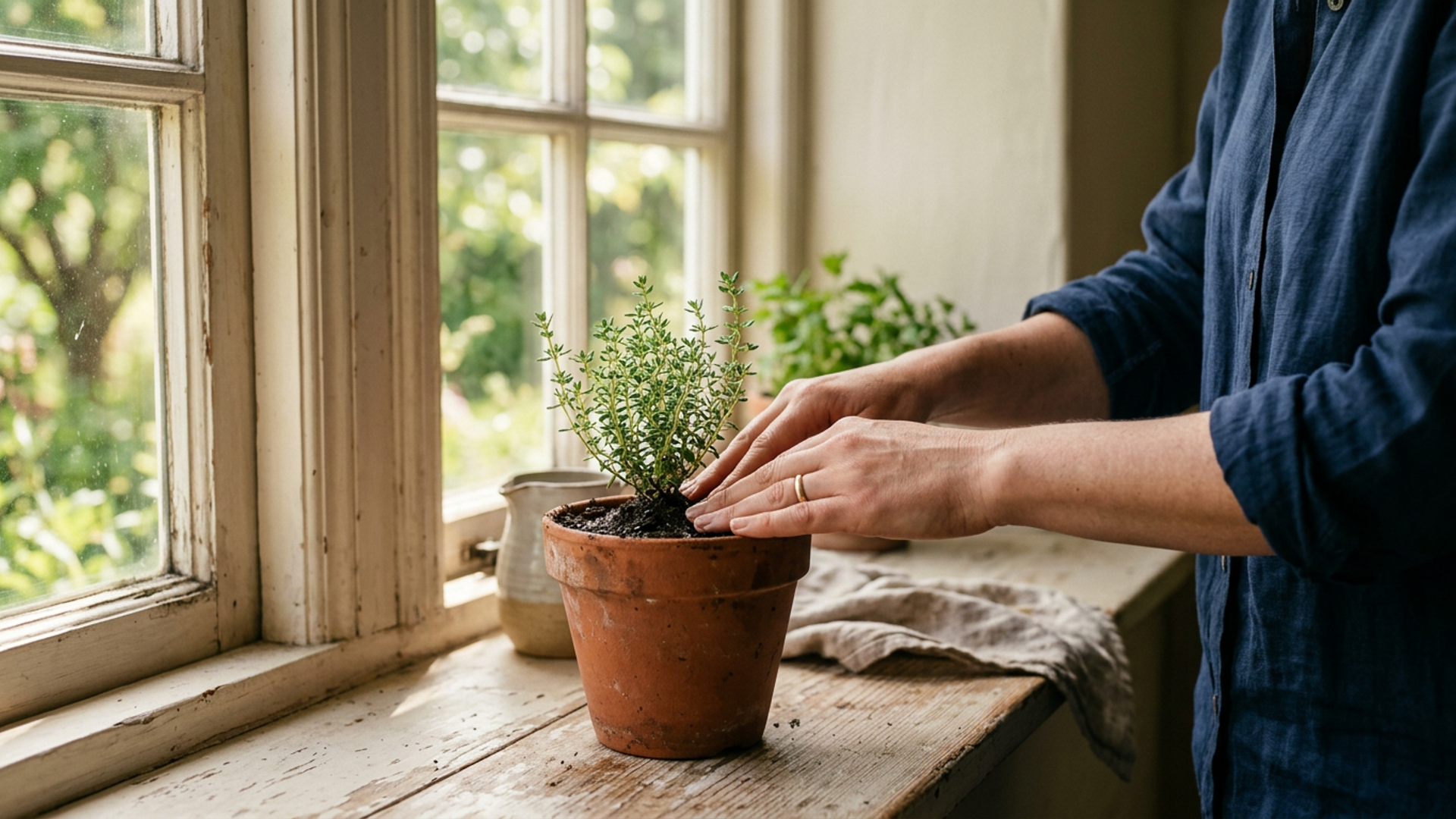
You don't need a green thumb. You need a starting point.
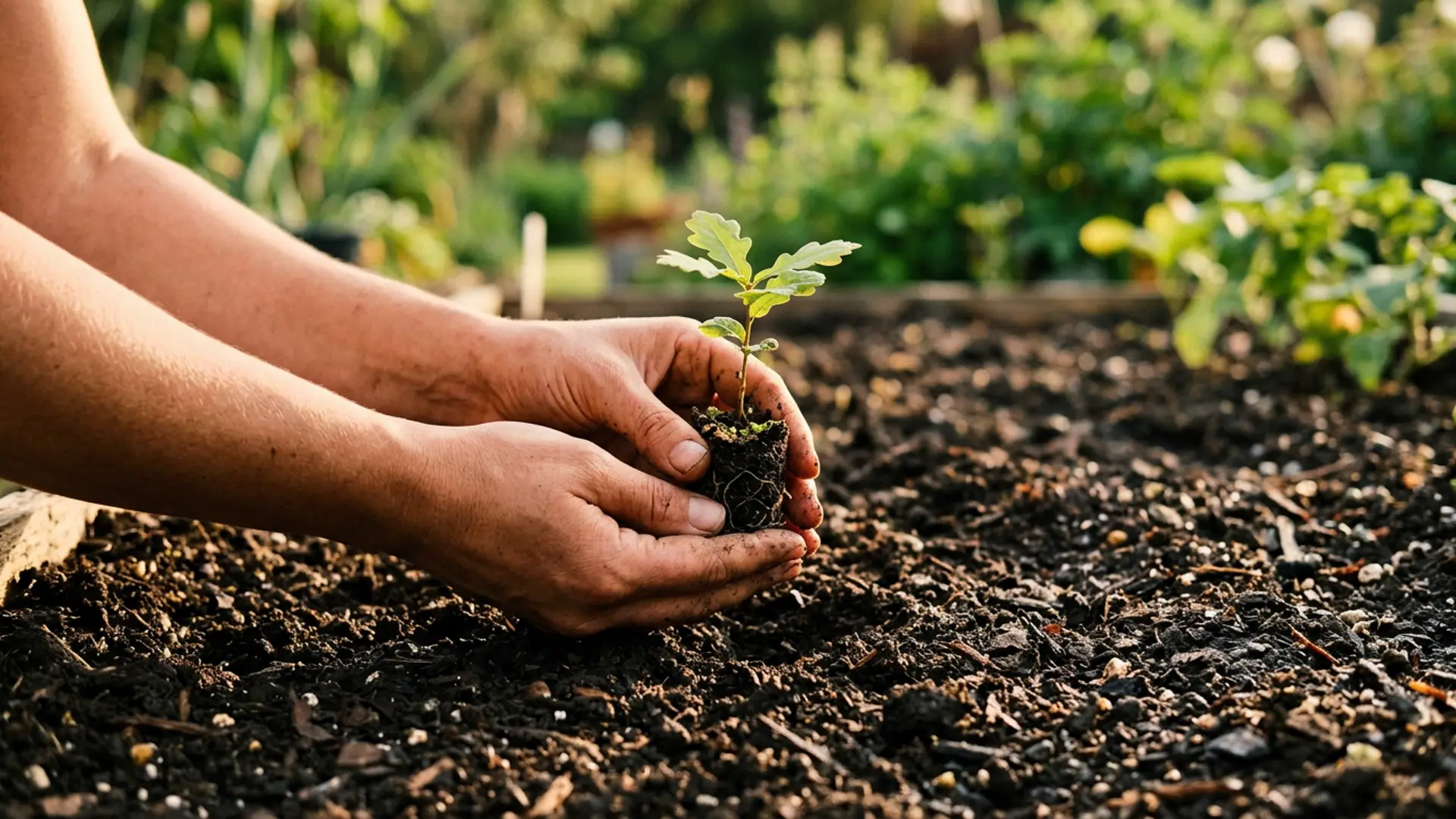
The first plant most people kill is a succulent. This feels wrong. Succulents have a reputation for being impossible to kill. What nobody mentions is that they die quickly from too much water, and too much water is exactly what a caring beginner gives them.
It makes sense. Something looks dry and brittle; you water it more. The logic is right, and the plant still dies. Then you feel like you've failed at something that was supposed to be easy.
This is not a story about succulents. It's about how the "easy plant" myth sets people up to feel like they've failed before they've really started, and what a better starting point actually looks like.
What overwhelm actually looks like
When someone says they're scared to garden, the fear is rarely about plants. It's about getting it wrong. It's about spending money on something that dies. It's about one more thing that's supposed to be calming becoming another source of stress.
That's not a skill problem. That's a starting-point problem. Most beginner advice skips the actual starting point and jumps straight to plant lists. Lists are fine, but they don't help you understand why certain plants work in certain lives and others don't.
Five things to do before you buy another plant
These are not hacks. They're the foundational work that every confident gardener did at some point, mostly by accident. Doing them deliberately is just faster.
1. Count the actual hours of direct light your windowsills get.
Not roughly. Actually count. A south-facing window in winter might get four hours of sun. That same window in summer might get eight. Most beginner plant death comes from a light mismatch: a sun-loving plant in a dim corner, or a shade plant scorched by a west-facing window in July. Walk through your space on a clear afternoon and take note of which surfaces actually get light, and for how long. Ten minutes of this work is worth more than any plant care guide.
2. Decide how often you're realistically home.
Some plants want water every few days. Others are fine waiting two weeks. Neither is harder; they're just different rhythms. If you travel frequently or your schedule is unpredictable, a plant that needs consistent watering will die. A snake plant or pothos on a two-week forgive-and-forget schedule is not a consolation prize. It's the right plant for your actual life.
3. Start with one plant, not many.
Beginners often overbuy because they're excited, and then the overwhelm arrives fast. One plant, tended well, teaches you more than six plants tended poorly. You start to notice what the leaves look like when the plant is happy versus stressed. You build a small body of real knowledge about something alive in your care. That knowledge is the foundation everything else grows from. Add more later.
4. Give it a specific home and leave it there.
Moving plants around is common and almost never helpful. Each time you relocate a plant, it has to readjust to new light and often drops leaves or looks rough for weeks. Pick a spot that suits the plant's light needs, put it there, and leave it for at least four weeks before you decide it's struggling. What looks like a dying plant is often just a settling one.
5. Let the soil tell you when to water.
Ignore watering schedules. They're guidelines, not rules, and they assume conditions (pot size, humidity, temperature, season) that may not match yours. Instead: push your finger an inch into the soil. If it's dry, water thoroughly until it drains from the bottom. If it's still damp, wait. This one change solves roughly half of all beginner plant problems. It also slows you down enough to actually notice the plant, which is its own kind of practice.
The part that matters most
None of this is complicated. The reason most people skip it is that nobody frames gardening as something you can approach deliberately. It gets sold as a talent you either have or you don't. The "easy plants for beginners" lists skip these questions and send you straight to the garden center, where you buy the wrong thing for your space and then feel like you're the problem.
Start slower. Know your light. Know your rhythm. Pick one plant. The calm that gardening offers doesn't come from mastering it. It comes from tending something consistently, learning its pace, and building a small ritual around it.
Your garden is a place to breathe. It doesn't need to be much to give you that.