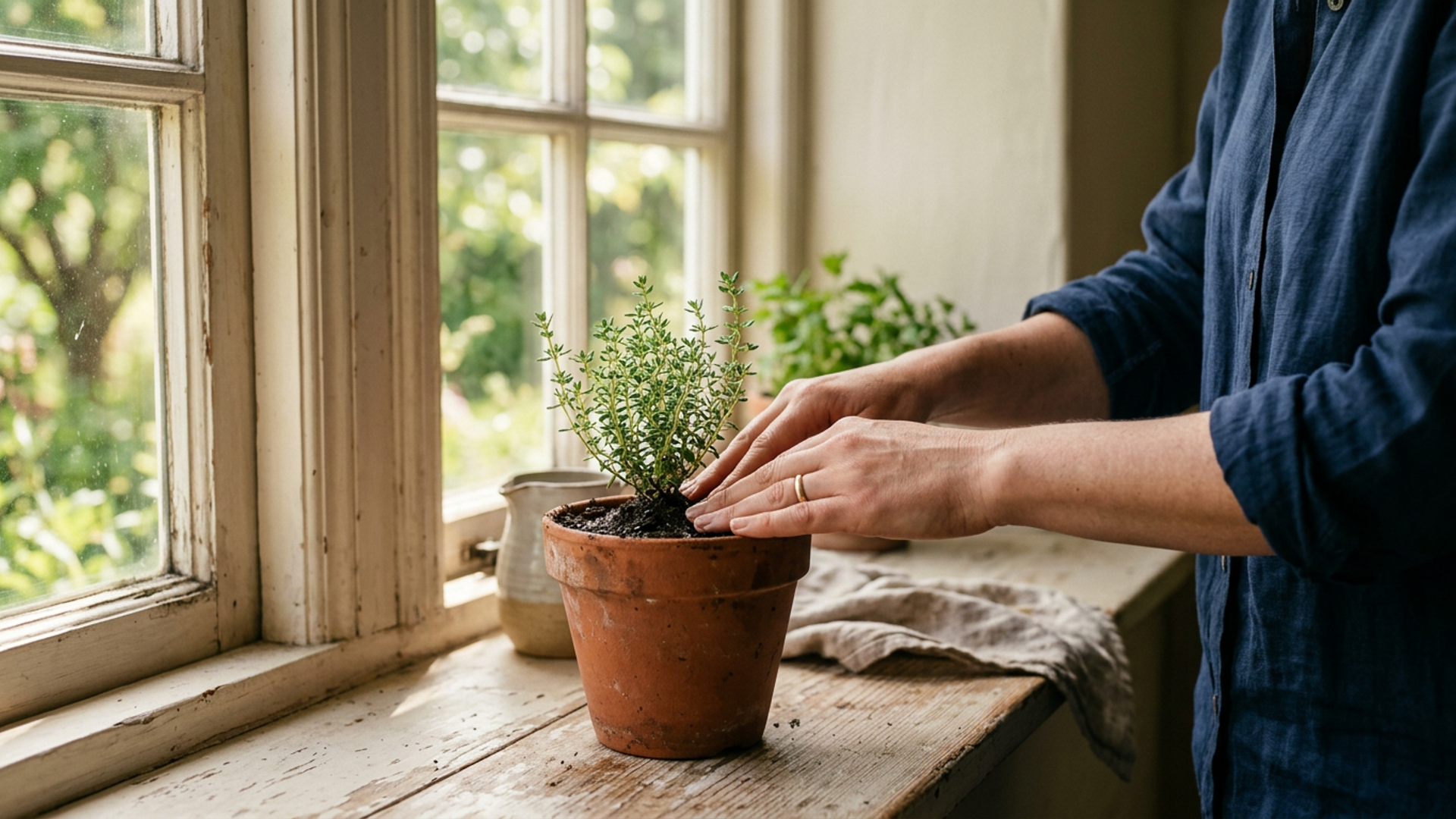
Why gardening feels like self-care for some people and homework for others
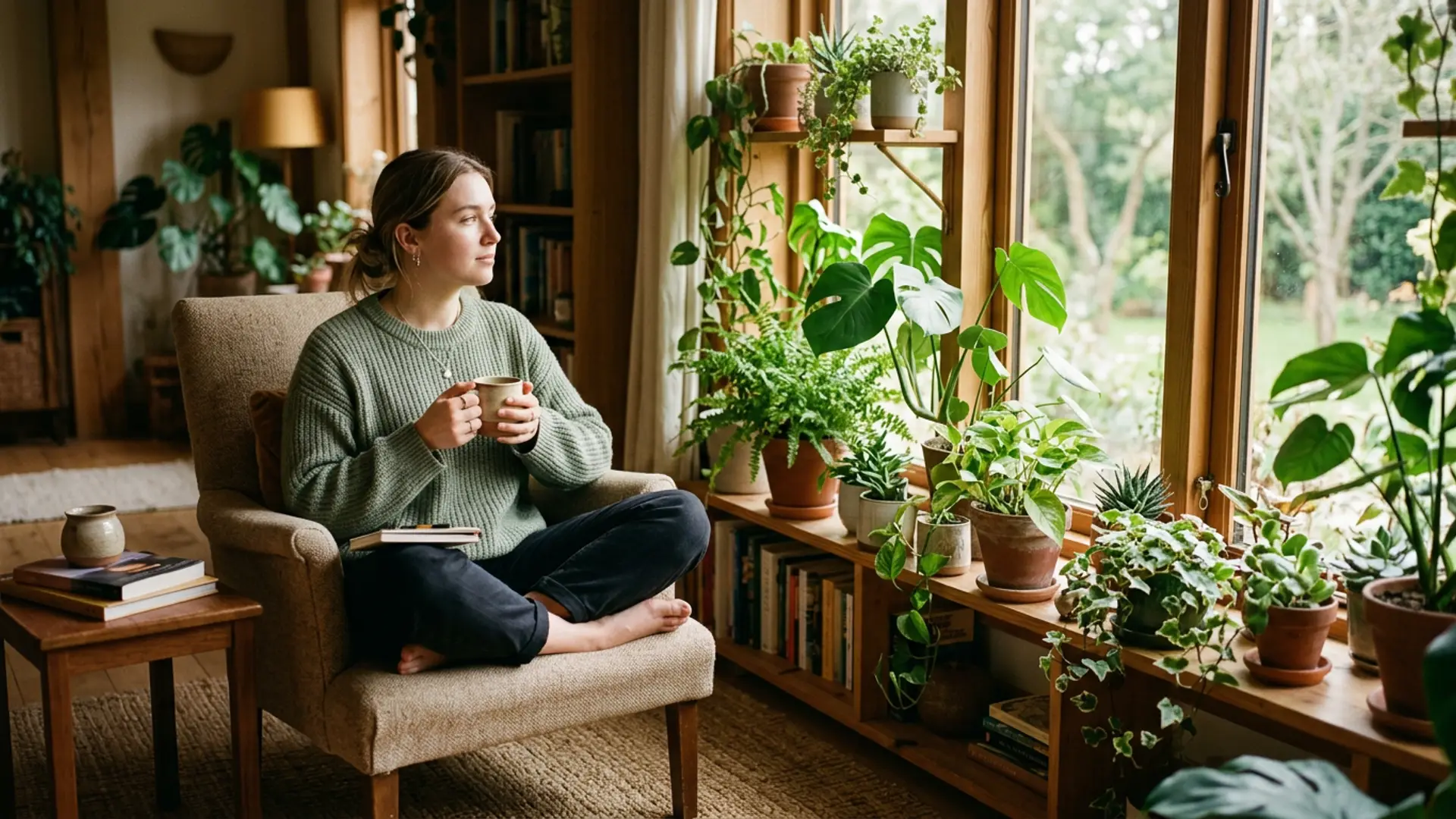
There's a version of gardening that's a project. A list of tasks. Something to keep up with, do correctly, not fall behind on. This version has forums and optimal schedules and the right fertilizer for the right soil pH.
There's another version that's closer to a practice. You go outside or you water your windowsill plants. You notice something new. You spend five minutes with your hands in soil and something shifts in your chest: quieter, slower.
Most people who come to gardening for stress relief or healing are looking for the second version and landing in the first one. Understanding why can change how you approach your plants entirely.
The difference
It's not about the plants. It's about your relationship to the garden's pace. A practice-based approach means you tend when you can and the garden tells you what it needs, slowly, over time. A project-based approach means there's always something you should have done differently.
The wellness angle of gardening, the part that actually helps with stress, sleep, and mood, lives entirely in the practice version. Research on therapeutic horticulture consistently points to the same things: sensory engagement, gentle routine, being with living things, the act of tending something over time.
The project version cuts you off from all of that. You're tracking failures, not noticing growth.
What happens in your body
Gardening, when it works as a wellness practice, triggers a specific kind of nervous system response. Your hands are in soil. You're tracking subtle things: a leaf color, a stem direction, whether the pot feels light or heavy. Your attention narrows to what's right in front of you.
This is not accidental. The sensory load of a garden, smell, texture, the slight resistance of soil, tends to bring people into the present moment in a way that sitting or walking often doesn't. Studies on attention restoration show that time in a natural setting, even a small one, lowers cortisol and gives the prefrontal cortex a break from executive function.
But this only works if you're not in task mode. Stress-testing your garden against a checklist keeps you in problem-solving mode. The practice version quiets that.
Four shifts that make gardening restful
Tend one plant well instead of many poorly. A single herb in good light, watered on a rhythm you can actually keep, teaches you more and costs you less anxiety than seven plants in varying states of emergency.
Go to your plants without an agenda sometimes. Just look. Not to fix anything, not to water (unless they need it). Just notice. This small habit is closer to what therapeutic horticulture practitioners mean by "engagement with living things" than any amount of correct plant care.
Build a ritual around the tending. The time of day, the mug of tea, the two minutes outside before you start work. The ritual is what turns a task into a practice. The plants are almost secondary.
Lower the stakes. Plants die. Most do at some point, for most people. When you treat a plant's death as data (too dry, too dark, wrong pot) rather than failure, the garden stops being something you can do wrong.
What this looks like day to day
A practice-based garden doesn't look dramatic. It looks like stepping outside for three minutes before you open your laptop. Like noticing the tomato plant is getting leggy and making a mental note instead of a to-do item. Like watering on Saturday mornings with a podcast and not rushing.
It's small. That's why it works.
The moment gardening starts to feel like homework is usually the moment expectations have outpaced the actual practice. Narrowing down, tending less but more intentionally, almost always brings it back.
You don't need a beautiful garden to get the benefit. You don't need to know what you're doing. You just need to show up to the same few plants regularly enough that the act becomes familiar. Familiarity is where the relief lives.
That's what we build toward in the Full Bloom Circle: a garden practice that feels like relief, not one more obligation.